
Views: 0 Author: YZH Publish Time: 2025-09-30 Origin: https://www.yzhbooms.com/
By Kevin Chen, Global Sales Manager at YZH Machinery
Last month I watched a mining crew try to clear a massive jam in their primary crusher. Three guys with pry bars, working in shifts for hours. Dangerous as hell and completely unnecessary.
That's exactly why pedestal breaker boom systems exist. But here's the thing – installing one properly makes all the difference between a game-changing piece of equipment and an expensive headache.
I've overseen boom installations on every continent except Antarctica. Some went smooth as silk. Others... well, let's just say I've learned what not to do the hard way.
Before we dive into installation, let's talk about why you need one of these systems in the first place.
The Old Way Sucks
Manual jam clearing is dangerous, slow, and expensive. Your crew climbs into crusher chambers with pry bars and sledgehammers. One slip and someone gets seriously hurt.
I've seen operations shut down for hours because of jams that a pedestal breaker boom could clear in minutes. The math is simple – downtime costs way more than the equipment.
What These Systems Actually Do
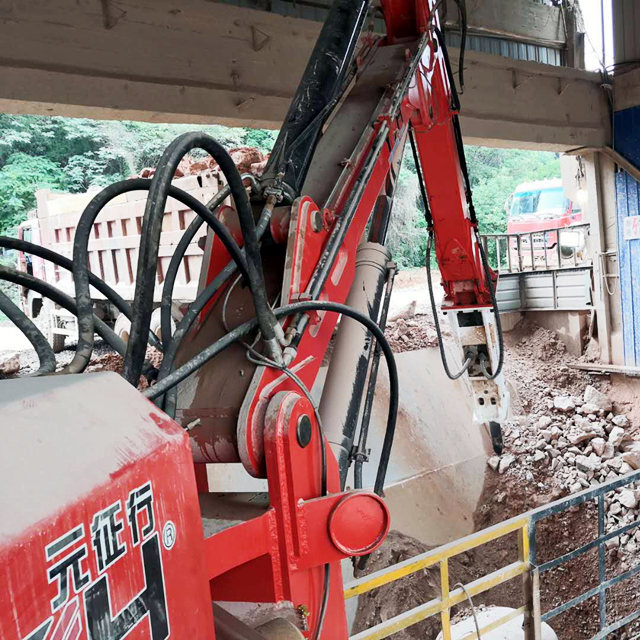
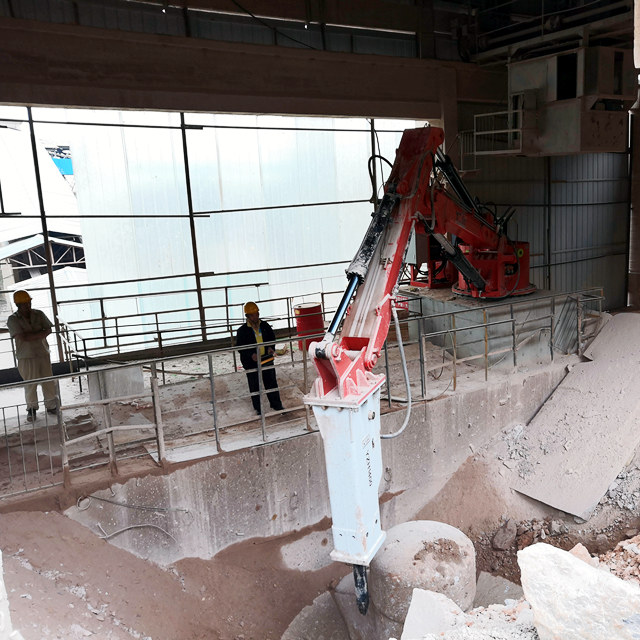
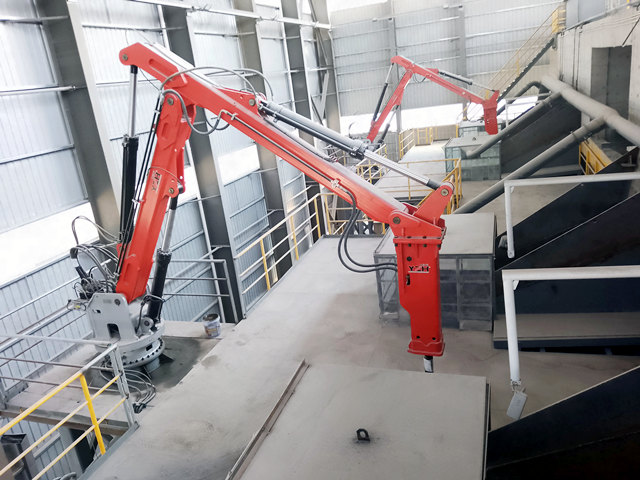
A pedestal breaker boom is basically a giant robotic arm with a hydraulic hammer on the end. It reaches into crusher chambers, breaks up oversized material, and clears jams without putting anyone at risk.
The boom mounts on a fixed pedestal next to your crusher. When material gets stuck, the operator uses remote controls to position the breaker and clear the jam. No one enters the danger zone.
Site Assessment Reality Check
Don't trust your existing drawings. I guarantee something's different than what's on paper. Maybe the crusher moved six inches during installation. Maybe there's a support beam nobody documented.
Walk the site with measuring tape and camera. Document everything. Check clearances, access routes, and existing utilities. This boring prep work prevents expensive surprises later.
Foundation Planning
The foundation is everything. Screw this up and your expensive breaker boom system becomes a very costly lawn ornament.
We're talking about serious concrete work here. The pedestal needs to handle not just the weight of the boom, but all the dynamic forces when it's working. That means deep excavation, heavy rebar, and high-strength concrete.
Power and Hydraulics
These systems need serious electrical power for the hydraulic pumps. Make sure your electrical supply can handle the load. I've seen installations delayed because someone assumed the existing panel had spare capacity.
Hydraulic power units are loud and generate heat. Plan for proper ventilation and noise control if the unit goes indoors.
Excavation Day
Digging the foundation hole is messier than you think. You're working around existing equipment, trying not to hit underground utilities, dealing with groundwater seepage.
The hole needs to be big – much bigger than the pedestal base. We need room for proper concrete placement and rebar installation.
Rebar Installation
The rebar cage looks like abstract art but serves a critical purpose. It ties the pedestal anchor bolts to the foundation mass, distributing loads properly.
This isn't residential construction. We're using heavy rebar with tight spacing. Takes time to assemble correctly, but rushing this step causes problems later.
Concrete Pour
Concrete day is when everyone holds their breath. We need continuous placement of high-strength concrete. No stopping halfway through.
Weather matters. Rain ruins everything. Extreme heat causes rapid setting. Cold weather slows curing. Always have backup plans.
Curing Time
Concrete needs time to reach full strength. Can't rush this part, no matter how much pressure you're under to get the crusher running.
Use this time wisely. Prep electrical runs, stage equipment, and handle all the detail work that gets forgotten during busy periods.
Pedestal Placement
The pedestal base weighs several tons and needs to land within tight tolerances. This is precision crane work in a confined space.
Wind, rain, or poor visibility shuts down crane operations. Plan accordingly and have backup dates ready.
Boom Assembly
Each boom section contains hydraulic cylinders, electrical cables, and position sensors. Hundreds of connections that all need to work perfectly.
This is detail work that can't be rushed. Every hydraulic fitting gets proper torque. Every electrical connection gets tested. Every mechanical joint gets inspected.
Hydraulic System Connection
Hydraulic systems operate at high pressure and don't forgive mistakes. We pressure test everything before putting the system in service.
Expect to find problems during testing. Better to discover leaks on the test bench than during production.
Making Systems Talk
Your existing crusher controls need to communicate with the breaker boom system. This isn't always straightforward, especially with older equipment.
Safety interlocks are non-negotiable. The boom shouldn't operate unless the crusher is stopped. Position sensors prevent equipment damage. Emergency stops need to be accessible from multiple locations.
Operator Interface
Controls need to be simple enough for tired operators to use safely. Complicated interfaces lead to mistakes, and mistakes around heavy machinery cause accidents.
We spend considerable time programming intuitive controls. Testing every function. Making sure alarms are clear and actionable.
Lockout/Tagout Procedures
Every energy source needs proper isolation. Hydraulic systems hold pressure even when shut down. Electrical systems may have multiple feeds.
Document everything. Train everyone. Audit regularly. Shortcuts here get people hurt.
Fall Protection
Boom maintenance often requires working at height. Permanent anchor points and access platforms cost money upfront but save lives later.
Don't rely on temporary fall protection systems. They're inconvenient, so people skip using them. Permanent systems get used because they're always there.
Personal Protective Equipment
Hard hats, safety glasses, and steel-toed boots are obvious. But working around hydraulic systems requires cut-resistant gloves and proper clothing to prevent injection injuries.
Hydraulic fluid under pressure can penetrate skin and cause serious injury. Respect the system and dress appropriately.
Underground Utilities
Always have utilities marked before excavation. Always. I've seen power lines, water mains, and communication cables that weren't on any drawing.
One job hit an old fuel tank that had been forgotten for decades. Environmental cleanup added weeks to the schedule and serious cost overruns.
Access Issues
That crane path that looks perfect on paper? There's probably something in the way. Overhead lines, utility poles, or soft ground that won't support the crane.
Walk the access route with the crane operator before scheduling the lift. Find problems early when they're easier to solve.
Weather Delays
Concrete work stops in rain. Crane operations shut down in high wind. Plan for weather delays, especially during storm season.
System Testing
We test everything before handover. Full range of motion, load testing with the actual breaker attachment, safety system verification.
This isn't a quick checkout. We run the system through every possible scenario because the first jam clearance isn't the time to discover problems.
Operator Training
Good training takes time. Normal operations, emergency procedures, basic maintenance, troubleshooting common issues.
Operators make or break these systems. Invest in proper training and you'll have fewer problems later.
Daily Inspections
Visual checks every shift. Hydraulic leaks, loose connections, unusual noises. Small problems become expensive failures if ignored.
Performance Monitoring
Track cycle times, hydraulic pressures, and electrical consumption. Deviations from baseline indicate developing problems.
Operator Feedback
Listen to your operators. They'll spot issues before instruments do. Take their concerns seriously and investigate promptly.
A properly installed pedestal breaker boom clears typical jams in under ten minutes. It operates reliably for months between major maintenance. Operators actually want to use it instead of avoiding it.
Most importantly, it keeps people out of dangerous situations while maintaining production.
Good installations aren't cheap, but cheap installations cost more in the long run. Proper foundation work, quality electrical installation, experienced installers, and comprehensive training pay dividends later.
I've seen both approaches. Trust me – invest in quality upfront. Your maintenance budget and safety record will thank you.
Planning a breaker boom installation? I've learned these lessons so you don't have to. Let's discuss your specific requirements and challenges.
Kevin Chen
Global Sales Manager
YZH Machinery Equipment Co., Ltd.
Two decades of installation experience across mining, quarrying, and industrial applications


