
Views: 0 Author: YZH Publish Time: 2025-11-06 Origin: https://www.yzhbooms.com/
By Kevin
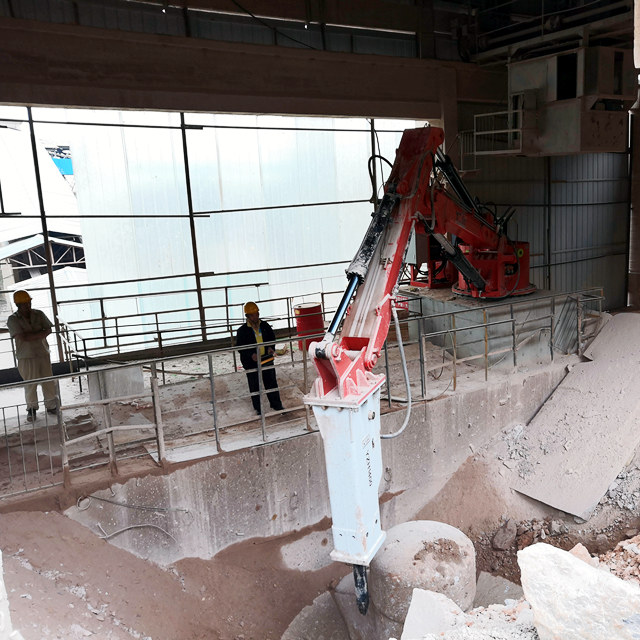
A guy called me last week from a quarry in Nevada. "Kevin, we jam up maybe once a week. Insurance wants us to get a boom system after our last accident, but honestly? I'm not sure we need one. What's your take?"
I love these calls. Straight talk, no BS.
Here's the thing - I've sold boom systems that completely changed operations. Game changers. But I've also walked through plants where the boom sits there collecting dust because it was the wrong call from day one.
The difference? Knowing when these things actually make sense.
Boom systems aren't magic. They're expensive pieces of equipment that solve specific problems really well. But they're not the answer to everything.
I was at a limestone quarry in Texas last year. Beautiful operation, well-run, but their crusher jammed maybe twice a month. The plant manager was convinced he needed a boom system because, well, that's what modern operations have, right?
Wrong.
For twice a month, manual clearing made way more sense. Save the money, upgrade something else.
But then there's the copper mine in Arizona I worked with. They were shutting down twice a day - twice a day - to clear jams. Every shutdown meant stopping their entire processing line for 2-3 hours.
That boom system paid for itself in about four months.
Same equipment, totally different situations.
Some operations scream "boom system." The benefits are obvious, the math works, and you wonder why they waited so long.
The Constant Jammers
If you're clearing jams multiple times a week, we need to talk. Seriously.
I worked with an iron ore operation that was averaging 8-10 jams per week. Every jam meant shutting down, getting people suited up, climbing into the crusher chamber with pry bars and sledgehammers. Dangerous as hell, and each incident cost them 2-4 hours of production.
The boom system eliminated 90% of their manual clearing. Paid for itself in six months, and that's just from reduced downtime. The safety improvements? Priceless.
The Scary Situations
Some crusher setups are just plain dangerous for manual clearing. Deep chambers, unstable material piles, limited escape routes, stuff hanging overhead.
If your safety guy gets nervous watching jam clearing procedures, that's a pretty good sign you need a boom system.
I remember a gyratory crusher installation where operators had to rappel into a 40-foot chamber to clear jams. Rappel! Like they're rock climbing. That's insane.
The High-Stakes Operations
When downtime costs serious money, boom systems usually make sense.
I worked with a cement plant where crusher downtime shut down their entire kiln operation. Every hour of downtime cost them about $50,000 in lost production and restart costs.
At those numbers, boom systems are easy to justify.
But here's the thing - boom systems aren't always the answer. Sometimes they're expensive solutions to problems that don't really exist.
The Once-in-a-While Jammers
If you clear jams once a month or less, boom systems are tough to justify.
The equipment costs the same whether you use it every day or once a month. If you're not using it regularly, you're looking at a really long payback period.
I had a customer in Montana who was convinced he needed a boom system. Turns out he cleared maybe 6 jams per year. Six! I told him to save his money and buy a better pry bar.
The "Let's Ignore the Real Problem" Crowd
Sometimes frequent jams are symptoms of other issues. Oversized feed, worn liners, wrong crusher settings, poor material flow.
Installing a boom system without fixing root causes is like putting a band-aid on a broken leg. You'll clear jams faster, but you'll still have too many jams.
I visited a plant where they wanted a boom system for their jaw crusher that was jamming constantly. Turns out their grizzly screen was shot, and they were feeding 4-foot boulders into a crusher set for 8-inch material.
Fix the screen, problem solved. No boom system needed.
The Space Cases
Boom systems need room to work. If your crusher area is cramped, there might not be space for the boom to reach where jams actually happen.
I've seen installations where boom systems were technically possible but practically useless because they couldn't get to the problem areas.
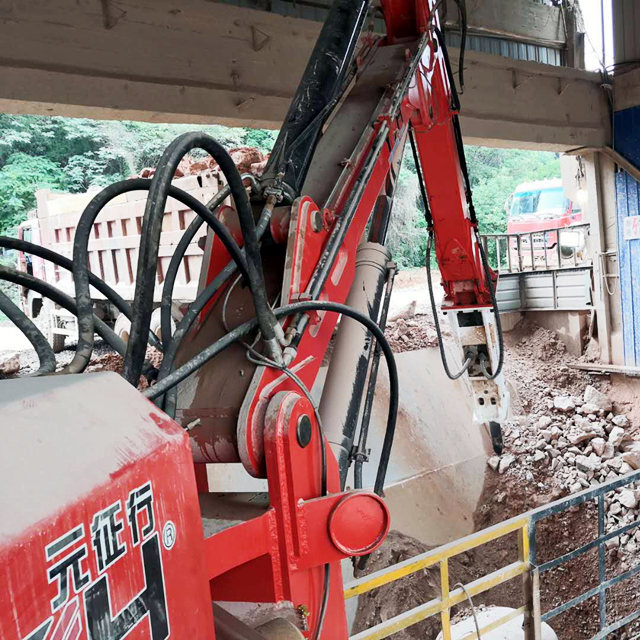
The material makes a huge difference in boom system effectiveness.
The Good Stuff
Some materials are perfect for boom systems:
Hard rock that creates clean breaks
Consistent material that jams predictably
Stuff that responds well to hydraulic hammers
The Problem Materials
Other stuff is more challenging:
Clay-rich material that gums everything up
Highly variable feed that jams unpredictably
Material that doesn't break cleanly
I worked with a sand and gravel operation that processed glacial till - basically rock mixed with clay and organic matter. The boom system worked, but it wasn't nearly as effective as it would have been with clean rock.
Let's be honest about costs. Boom systems are expensive, and they need to pay for themselves.
The Downtime Math
This is usually the big one. Figure out what downtime actually costs you:
Lost production
Fixed costs that keep running
Overtime for extended clearing
Ripple effects on other equipment
If a boom system can cut your downtime significantly, the math usually works.
The Safety Angle
Harder to put numbers on, but often significant:
Lower insurance costs
Fewer workers' comp claims
Better regulatory compliance
Less risk exposure
The Maintenance Reality
Boom systems can reduce crusher maintenance by enabling more precise jam clearing. Less beating on the crusher with sledgehammers.
But boom systems need maintenance too. Factor both sides.
Don't forget about people. They make or break boom system success.
Operator Buy-In
Some operators love boom systems - safer, easier, more comfortable. Others hate change and want to stick with manual methods.
If your operators don't buy in, the system won't get used effectively.
Management Support
Boom systems need ongoing support - maintenance, training, procedure updates. Without management commitment, they don't deliver expected benefits.
So how do you decide?
Do the Math
Start with hard numbers:
How often do you jam?
How long does manual clearing take?
What does downtime cost?
What are your safety risks?
Compare that to boom system costs over 3-5 years.
Look Beyond the Numbers
Numbers don't tell the whole story. Consider:
Safety improvements
Operator morale
Future flexibility
Regulatory trends
Be Honest About Your Situation
Your jam frequency might be higher than you think. Your downtime costs might be more than you calculate. Your safety risks might be worse than you realize.
Get real data before making decisions.
After 20+ years in this business, I've learned that boom systems aren't universal solutions. They're tools that work extremely well in the right situations.
At YZH, we'd rather tell you that a boom system isn't right for your operation than sell you equipment that won't deliver value.
We spend time understanding your specific situation - jam patterns, materials, constraints, economics. Not every application needs the biggest, most powerful boom system. Sometimes they don't need one at all.
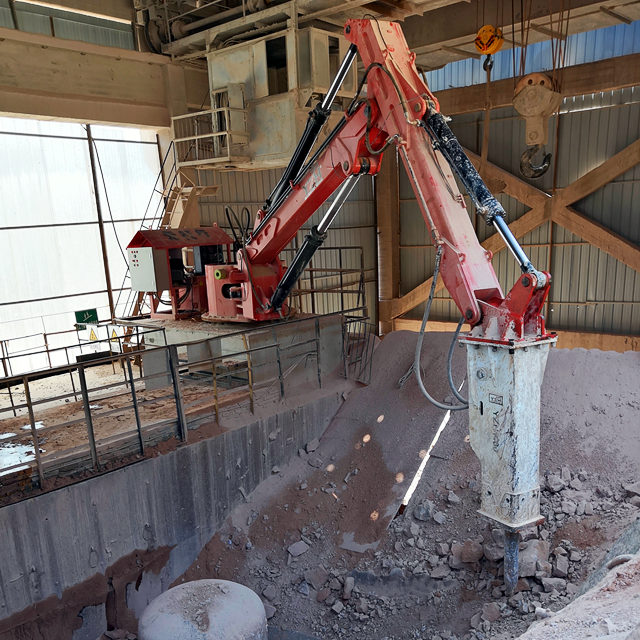
Boom systems can transform operations, but only when they fit the application.
If you're clearing jams regularly, dealing with safety issues, or losing serious money to downtime, boom systems probably make sense.
If jams are rare, materials are problematic, or space is tight, you might be better off with other solutions.
The key is honest assessment of your specific situation, not assumptions about what you should have.
Wondering if a boom system makes sense for your operation? Let's talk through your specific situation and figure out what actually works.
Kevin


