
Views: 0 Author: YZH Publish Time: 2025-11-16 Origin: https://www.yzhbooms.com/
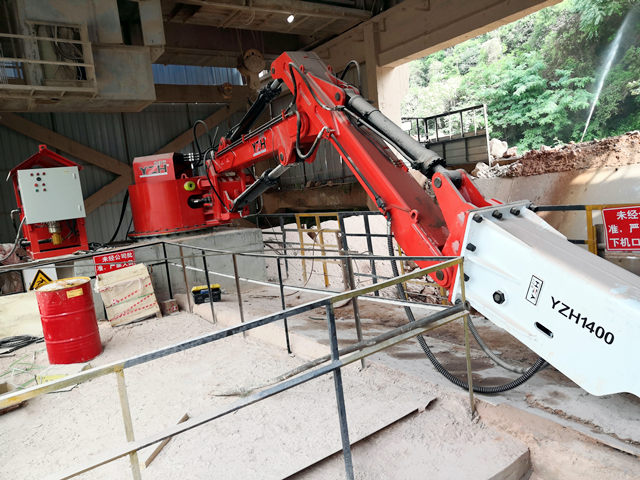
Got a call at 2 AM last Tuesday. Quarry in Nevada, boom system acting up, operator panicking.
"Kevin, the boom won't respond to controls and there's hydraulic fluid everywhere. What do we do?"
First thing I told him: "Hit the emergency stop. Now. Then get everyone away from the equipment."
Emergencies happen. Equipment fails, things go sideways, operators make mistakes. The difference between a minor incident and a major disaster is how you respond in those first few minutes.
Here's what every boom system operator needs to know when things go wrong.
Every boom system has an emergency stop button. Big, red, impossible to miss. When in doubt, hit it.
Where to Find It
Main control panel, always within easy reach of the operator. Some systems have multiple e-stops - at the control station, on the boom itself, sometimes at remote locations.
Know where every e-stop is located. In an emergency, you don't have time to hunt around.
When to Use It
Boom becomes unresponsive to controls. Unusual noises or vibrations. Hydraulic leaks. Anything that doesn't feel right.
Don't hesitate. You can always restart the system once you figure out what's wrong. You can't undo an accident.
What It Actually Does
Cuts power to all boom functions. Stops hydraulic pumps. Locks out movement. Basically turns the boom into an expensive statue until you reset it.
Boom Won't Respond
Controls feel dead, boom doesn't move when you operate the joysticks.
First step: Emergency stop, then lockout power. Don't try to force it or keep hitting buttons.
Check for obvious problems - loose connections, tripped breakers, hydraulic leaks. But don't try to fix anything yourself unless you're trained for it.
Call for help. This isn't the time to be a hero.
Hydraulic Leaks
High-pressure hydraulic fluid can kill you. Not kidding - it'll inject right through your skin and cause serious injury.
See fluid spraying or pooling under the boom? Emergency stop immediately. Get everyone away from the area.
Don't try to find the source of the leak while the system is running. Shut it down first, then investigate.
Boom Contacts Crusher
This one's scary. Boom swings into the crusher, gets caught, starts bending things that shouldn't bend.
Stop everything. Boom, crusher, conveyors, everything. Don't try to back the boom out until you've assessed the situation.
Check for damage to both the boom and crusher before you do anything else. What looks like minor contact might have caused major structural damage.
Electrical Problems
Sparks, smoke, burning smells - all bad signs.
Emergency stop, then shut off main power if it's safe to do so. If there's smoke or fire, evacuate and call the fire department.
Don't try to troubleshoot electrical problems unless you're qualified. High voltage can kill you instantly.
After you hit the emergency stop, you need to lock out power sources so the equipment can't accidentally restart.
Why This Matters
I know a maintenance guy who got crushed when someone accidentally restarted a boom while he was working on it. Don't let this happen to your people.
How to Do It Right
Shut off main power at the disconnect. Lock it out with a padlock. Tag it so everyone knows why it's locked out.
Some systems have multiple power sources - main electrical, hydraulic power units, control power. Lock them all out.
Keep the keys with you. Don't give them to anyone else until the work is done and it's safe to restart.
Hydraulic systems run at extremely high pressure. Leaks are dangerous.
Immediate Response
Emergency stop, evacuate the area, shut off hydraulic power if possible.
Don't try to stop leaks with your hands or body. Don't walk through hydraulic fluid - it's slippery and you might fall into moving equipment.
Assessment
Once the system is shut down and locked out, you can safely assess the damage.
Small leaks from fittings might be simple fixes. Large leaks or damaged hoses usually mean calling for service.
Cleanup
Hydraulic fluid is an environmental hazard. Clean it up properly, dispose of it according to regulations.
Use absorbent materials, not just hosing it away. Document the spill if required by local regulations.
Sometimes booms get caught on something or jammed in position.
Don't Force It
Your first instinct might be to keep trying to move the boom. Don't. You'll just make things worse.
Emergency stop, assess the situation, figure out what's causing the problem.
Common Causes
Boom caught on crusher components, hydraulic cylinders binding, structural damage preventing movement.
Sometimes it's something simple like debris caught in the mechanism. Sometimes it's major mechanical failure.
Getting Unstuck
This usually requires service technicians. Don't try to force stuck equipment unless you know exactly what you're doing.
Who to Call
Your maintenance department first. Then your supervisor. Then us if it's a warranty or technical issue.
Have contact numbers posted near the control station. In an emergency, you don't want to be hunting for phone numbers.
What to Tell Them
What happened, what you did in response, current status of the equipment.
Be specific. "The boom won't work" doesn't help much. "The boom stopped responding to controls, I hit the emergency stop, and there's hydraulic fluid leaking from the base cylinder" gives us something to work with.
Documentation
Write down what happened while it's fresh in your memory. Time, conditions, what led up to the problem, what you observed.
This information is crucial for troubleshooting and preventing future problems.
Don't Restart Until You Know Why
Tempting to just reset everything and see if it works. Bad idea. If you don't know what caused the problem, it'll probably happen again.
Get the system checked out by qualified technicians before putting it back in service.
Root Cause Analysis
Figure out why the emergency happened. Equipment failure? Operator error? Maintenance issue?
This isn't about blame - it's about preventing the same thing from happening again.
Update Procedures
If the emergency revealed gaps in your procedures, fix them. Update training, improve documentation, add safety equipment.
Regular Drills
Practice emergency procedures when there's no actual emergency. Make sure everyone knows where the e-stops are, how to lock out power, who to call.
Scenario Training
Walk through different emergency scenarios. What if there's a hydraulic leak? What if the boom gets stuck? What if someone gets injured?
Keep It Current
Emergency procedures should be reviewed regularly and updated as needed. New equipment, changed layouts, different personnel - all affect emergency response.
Regular Inspections
Catch problems before they become emergencies. Daily visual inspections, regular maintenance, prompt repair of minor issues.
Operator Training
Well-trained operators cause fewer emergencies and respond better when things go wrong.
Maintenance Programs
Preventive maintenance prevents most equipment failures. Don't skip it to save money - you'll pay more when things break.
When I'm training operators on emergency procedures, here's what I emphasize:
When in doubt, stop everything. Better to shut down unnecessarily than to cause an accident.
Your safety comes first. Equipment can be replaced. You can't.
Don't try to be a hero. Call for help when you need it.
Document everything. Good records help prevent future problems.
Learn from every incident. Even minor problems can teach you something.
Emergencies are stressful. People panic, make bad decisions, forget their training.
The best emergency procedures are simple, clear, and practiced regularly. Complex procedures that look good on paper often fall apart under pressure.
Keep it simple. Stop the equipment, secure the area, call for help. Everything else can wait.
I've been in this business for over twenty years. I've seen minor problems turn into major disasters because people didn't follow proper emergency procedures.
I've also seen potentially serious situations handled perfectly because operators knew what to do and did it without hesitation.
The difference is training, preparation, and having the right mindset. Emergencies will happen. How you respond determines the outcome.
Take emergency procedures seriously. Practice them regularly. And remember - when things go wrong, your first priority is keeping people safe.
Everything else is just equipment. Talk to our technician to find out more
Need help developing emergency procedures for your boom system operation? Let's talk about keeping your people safe.


