The Mining Operations That Get the Most Bang for Their Buck with Pedestal Boom Systems

Last month, I visited a copper mine in Chile where the operations manager was frustrated.
"Kevin, we're spending a fortune on mobile equipment maintenance, and our crusher keeps jamming with oversized rocks. The downtime is killing our productivity."
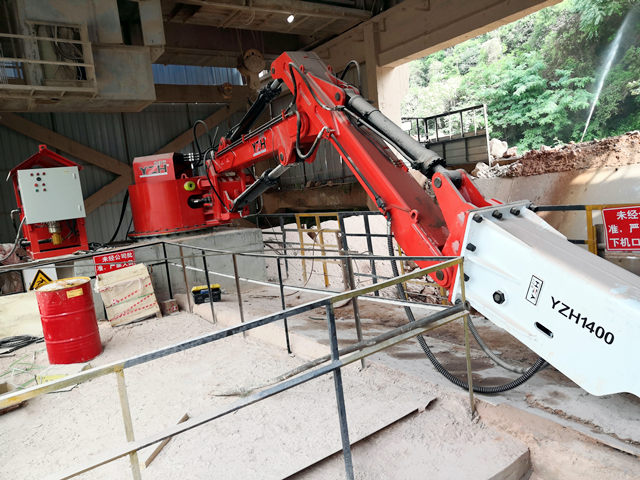
Six months later, after installing one of our YZH pedestal boom systems, he called me with a completely different tone.
"Our crusher availability is up 15%, maintenance costs are down significantly, and the operators love how much safer the job has become."
This isn't an isolated story. Over the years, I've seen certain types of mining operations transform their efficiency with the right pedestal boom setup.
But here's the thing - not every mining operation benefits equally from pedestal boom systems. Some see dramatic improvements, while others might be better served with different solutions.
Let me share what I've learned about which mining operations get the most value from these systems.
Surface Mining Operations - The Sweet Spot
Open Pit Mines
Open pit operations are where pedestal booms really shine. These mines typically have:
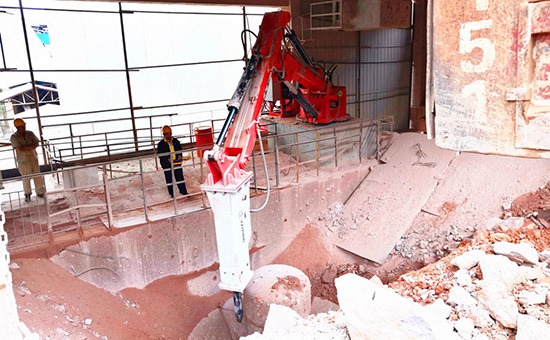
I worked with a gold mine in Nevada that was processing massive amounts of material through their primary gyratory crusher. Before the pedestal boom, they had mobile equipment constantly breaking oversized rocks at the crusher mouth.
The mobile units were expensive to operate, required skilled operators, and created safety hazards with equipment moving around the crusher area.
After installing a pedestal boom system, they eliminated the mobile equipment from that area entirely. The boom handles all the oversized material automatically, operators work from a safe distance, and maintenance costs dropped dramatically.
Quarry Operations
Limestone, granite, and aggregate quarries are perfect applications for pedestal booms. These operations typically run for decades from the same location, making the investment in stationary equipment very attractive.
A limestone quarry in Texas told me their pedestal boom paid for itself in less than two years just from reduced mobile equipment costs and improved crusher throughput.
Coal Mining Operations
Surface coal mines benefit significantly from pedestal booms, especially at preparation plants and load-out facilities.
Coal can be particularly challenging because it creates a lot of dust and the material characteristics vary. Pedestal booms keep operators out of the dusty environment while maintaining consistent breaking capability.
Underground Mining - Where It Makes Sense
Large Underground Crushers
Not all underground operations benefit from pedestal booms, but those with large, permanent crushing stations often do.
I've installed systems in underground copper and iron ore mines where the crusher stations are designed to operate for many years. The key factors are:
Adequate space for boom installation
Permanent electrical infrastructure
High material throughput
Long-term operational plans
Mine Shaft Stations
Some deep mines use pedestal booms at shaft loading stations to break oversized material before hoisting. This prevents damage to expensive hoisting equipment and reduces delays.

Processing Plant Applications
Primary Crushing Stations
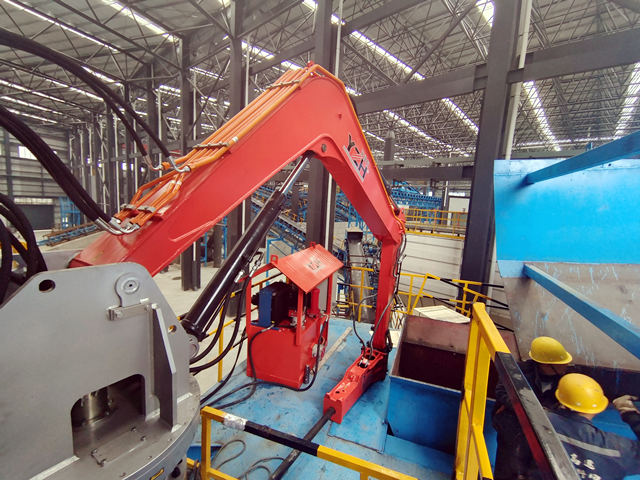
This is probably the most common application I see. Whether it's a concentrator, mill, or processing plant, primary crushers benefit enormously from pedestal boom systems.
The material coming from the mine often includes oversized rocks that can jam or damage crushers. Mobile equipment in these areas creates safety risks and operational inefficiencies.
A copper concentrator in Arizona reduced their primary crusher downtime by 40% after installing a pedestal boom system. The consistent availability more than justified the investment.
Secondary and Tertiary Crushing
While less common, some operations benefit from pedestal booms at secondary crushing stages, especially when processing very hard or abrasive materials.
The Operations That Benefit Most
High-Volume Operations
The more material you process, the more value you get from a pedestal boom. High-volume operations see:
Greater impact from improved crusher availability
More significant savings from reduced mobile equipment needs
Better return on investment from the fixed cost structure
Long-Life Operations
Mines with long reserve lives get maximum value from pedestal boom investments. The fixed cost gets amortized over many years of operation.
I always ask customers about their mine life when discussing pedestal booms. A mine with a 20-year life will see much better economics than one with a 5-year life.
Safety-Conscious Operations
Some mining companies prioritize safety above all else. For these operations, the safety benefits of pedestal booms often justify the investment even when the economics are marginal.
Removing mobile equipment from crusher areas eliminates many potential accidents and creates a much safer working environment.
Maintenance-Intensive Mobile Fleets
Operations struggling with high mobile equipment maintenance costs often find pedestal booms very attractive. The fixed installation eliminates many maintenance issues associated with mobile equipment.
Operations Where Pedestal Booms Don't Make Sense
Short-Life Mines
Mines with short remaining lives often can't justify the capital investment in pedestal boom systems. Mobile equipment might be more cost-effective despite higher operating costs.
Highly Mobile Operations
Some mining operations move their crushing equipment frequently. These operations need the flexibility that only mobile equipment can provide.
Low-Volume Operations
Small-scale mining operations often don't process enough material to justify pedestal boom systems. The fixed costs don't make economic sense at low throughput levels.
Temporary Installations
Construction projects, temporary quarries, and short-term mining operations typically need mobile solutions.
The Economic Sweet Spot
Material Throughput
In my experience, operations processing significant daily tonnage see the best returns from pedestal boom investments. The exact number varies by commodity and location, but high-volume operations almost always benefit.
Labor Costs
In regions with high labor costs, pedestal booms become more attractive because they reduce the need for skilled mobile equipment operators.
Equipment Costs
Areas where mobile equipment is expensive to purchase, operate, or maintain see better economics from pedestal boom systems.
What I Tell Potential Customers
When mining companies ask me about pedestal booms, here are the key questions I ask:
How long will this operation run? Long-life operations get better value.
What's your daily throughput? High-volume operations benefit more.
What are your mobile equipment costs? High mobile costs favor pedestal systems.
How important is safety? Safety-focused operations often choose pedestal booms.
Do you have skilled mobile operators? Operator shortages favor automated pedestal systems.

The Bottom Line
Pedestal boom system aren't right for every mining operation, but they're transformational for the right applications.
The operations that benefit most are:
High-volume surface mines
Long-life operations
Processing plants with permanent crushers
Safety-conscious companies
Operations with high mobile equipment costs
If your operation fits these criteria, a pedestal boom system could significantly improve your productivity, safety, and profitability.
The key is matching the right technology to your specific operational needs and economic situation.
Wondering if your mining operation would benefit from a pedestal boom system? Let's discuss your specific situation and see if it makes sense.